Fix Standing Water Before It Damages Your Property
Landscape Drainage Solutions in Clearwater for eliminating pooling water, preventing erosion, and protecting foundations from runoff
Ness Landscaping LLC installs drainage systems in Clearwater, Minnesota that redirect water away from foundations, lawns, and landscape beds where it causes damage or creates unusable muddy areas. You might notice water pooling near your basement after rain, soil washing away on slopes, or soggy patches in your yard that never dry out. These problems stem from poor grading, compacted soil, or inadequate drainage infrastructure. Each solution is designed based on how water moves across your property and where it needs to go to avoid harm.
This service includes installing French drains, regrading sections of your yard, extending downspouts, and building trench systems to manage runoff. French drains use perforated pipe surrounded by gravel to collect and carry water underground to a safe outlet. Grading adjustments change the slope of your lawn or beds so water flows away from structures rather than pooling. Downspout extensions move roof runoff farther from your foundation, reducing the risk of basement leaks and foundation settlement. The goal is a dry, stable landscape that handles heavy rain and snowmelt without creating erosion or flooding issues.
Contact Ness Landscaping LLC to schedule a site assessment and identify the drainage improvements needed to protect your property in Clearwater.
How Drainage Systems Are Installed
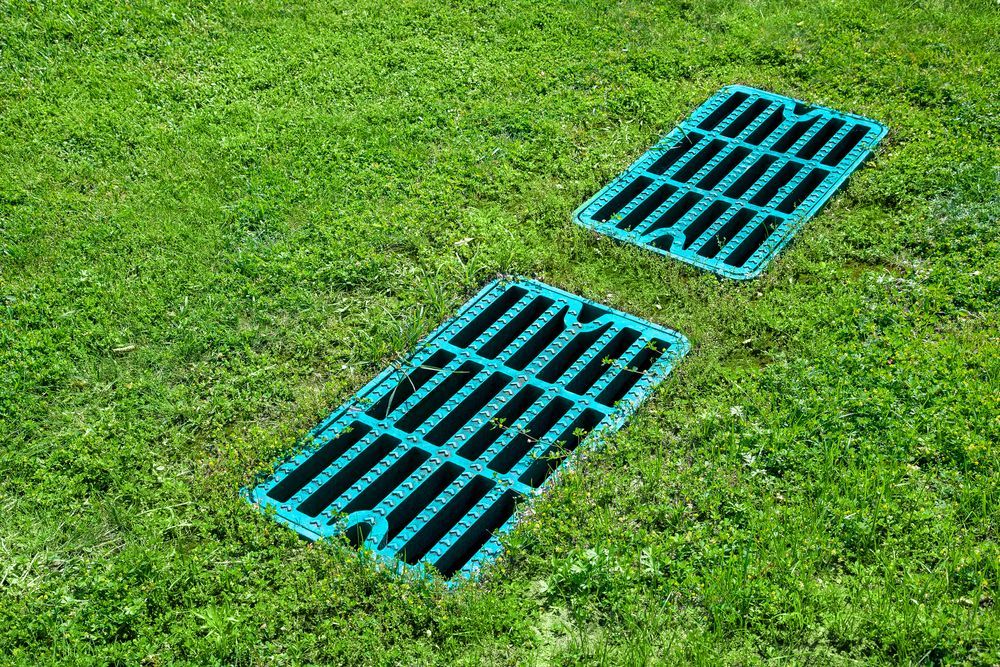
You will see the crew excavate trenches to the required depth and slope, then line them with landscape fabric before placing perforated pipe and covering it with washed gravel. The trench is backfilled with soil and restored to match the surrounding lawn or bed. Regrading involves moving soil to create positive slopes away from foundations, driveways, and low-lying areas. Laser levels or transit equipment ensure accurate grading so water moves predictably. Downspout extensions are buried or run along the surface to discharge water at least ten feet from the home, where it can soak in safely without affecting the foundation.
After installation, you will notice standing water disappears within hours of rainfall, muddy areas dry out and support healthy grass, and runoff no longer carves channels through your yard or garden beds. Ness Landscaping LLC designs each system to handle the volume and flow patterns specific to your property, so it functions reliably through spring thaw, summer storms, and fall rains common in Clearwater.
Repairs address clogged or damaged drainage pipes, failed grading that has settled over time, or systems that were undersized for current water loads. Erosion control solutions include planting vegetation on slopes, installing stone riprap, or building shallow swales to slow and direct runoff. The crew does not perform foundation waterproofing or install sump pumps, but coordinates drainage design with those systems when they are present.
Common Drainage Questions
Homeowners in Clearwater often ask about system capacity, maintenance needs, and how to know if drainage work is necessary. These answers clarify what to expect and when professional intervention is needed.
What is a French drain and when is it needed?
A French drain is a gravel-filled trench with perforated pipe that collects and moves subsurface water. It is used when water pools on the surface or seeps into basements, especially in areas with clay soil or poor natural drainage.
How often do drainage systems need maintenance?
French drains should be flushed every few years to prevent sediment buildup, and surface inlets should be cleared of debris after storms. Properly installed systems in Clearwater typically require minimal upkeep.
When should you regrade a yard instead of installing drains?
Regrading works when the slope is flat or pitches toward the home. If water collects faster than surface grading can move it, subsurface drainage is needed to handle the volume.
Why does water still pool after grading adjustments?
Compacted soil, heavy clay content, or insufficient slope can limit surface drainage effectiveness. Adding subsurface collection systems addresses these limitations and moves water more reliably.
How far should downspouts discharge water?
At least ten feet from the foundation is standard to prevent water from soaking back toward the basement. Longer extensions or buried lines work better on properties with limited yard space.
Ness Landscaping LLC evaluates water flow patterns and installs drainage systems that keep Clearwater properties dry and stable year-round. Schedule a consultation to review problem areas and determine the best solution for your yard.