
Establish Uniform Growth on Difficult Terrain
Hydroseeding Services in Clearwater for uneven lawns, new construction sites, or slopes that resist traditional seeding
Ness Landscaping LLC provides hydroseeding for homeowners and commercial property managers in Clearwater who need fast, consistent lawn establishment across large areas or challenging slopes. When you're looking at bare soil after grading work or trying to fill in patchy sections that won't hold seed, hydroseeding delivers a uniform layer of seed, mulch, fertilizer, and water in a single application. The mixture bonds to the soil surface and creates a moisture-retaining blanket that protects seeds during germination and prevents washout during rain.
This process works especially well on properties with contoured terrain where broadcast seeding would leave bare spots or create uneven coverage. The slurry is sprayed directly onto prepared soil using specialized equipment that ensures even distribution across the entire target area. Custom seed blends are selected based on soil type, sun exposure, and intended use—whether you need dense turf for recreation, erosion control along embankments, or low-maintenance groundcover for larger rural properties. The mulch component holds moisture against the seed and shields it from wind and birds while roots develop.
If you're preparing a new yard or repairing sections damaged by construction or runoff, reach out to discuss seed options and site preparation for your property in Clearwater.
What Happens During and After the Application
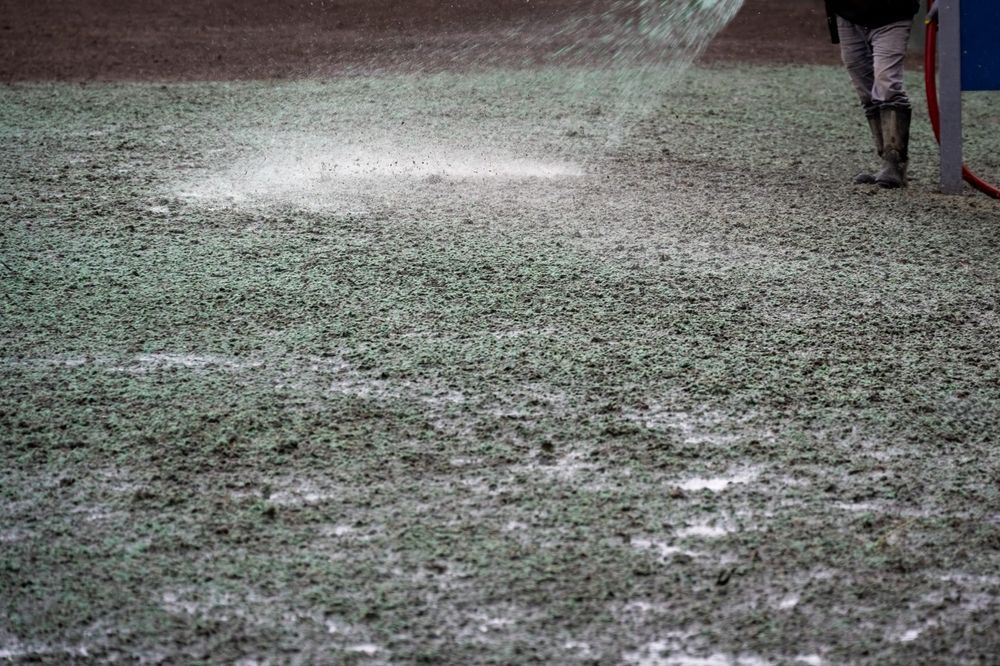
Before hydroseeding begins, your soil is graded and cleared of debris to create a smooth, stable base. Ness Landscaping LLC then mixes seed, wood fiber mulch, starter fertilizer, and water into a slurry that is applied evenly across the designated area. The wood fiber mulch acts as a protective layer, absorbing and holding moisture close to the seed so germination happens faster than it would with dry seeding methods.
Within seven to ten days, you'll see green shoots emerging across the treated area. The lawn fills in progressively over the following weeks, producing a dense and uniform stand of grass. Because the seed is evenly distributed and held in place by the mulch matrix, you won't see the sparse patches or washout lines common with loose seed. The finished lawn is thick enough to resist weed invasion and durable enough to handle foot traffic once established.
Hydroseeding requires consistent watering during the first two to three weeks to support germination. The mulch helps reduce the frequency needed compared to traditional seeding, but daily light irrigation is still necessary until roots take hold. Once the grass reaches mowing height, standard lawn care practices apply. This method does not include hardscaping, irrigation system installation, or topsoil delivery—those elements are handled separately if your site requires them.
Common Questions About Lawn Establishment and Timing
Homeowners often ask how hydroseeding compares to sod and what conditions are necessary for success, especially given Minnesota's shorter growing season and variable spring weather.
What makes hydroseeding different from laying sod?
Hydroseeding establishes root systems that grow directly into your existing soil rather than transplanting pre-grown turf. It costs less per square foot and works better on slopes, but it requires a few weeks of growth before the lawn is usable.
How soon after hydroseeding can you walk on the lawn?
You should avoid foot traffic until the grass reaches three inches in height and has been mowed at least once. This usually takes three to four weeks depending on weather and watering consistency.
Why is mulch included in the mixture?
The wood fiber mulch holds moisture against the seed, reduces surface temperature fluctuations, and prevents seeds from washing away during rain. It breaks down naturally as the grass matures.
When is the best time to hydroseed in Clearwater?
Late spring and early fall offer the most reliable soil temperatures and moisture levels for germination. Summer applications are possible but require more frequent watering, and late fall seeding may not establish before winter dormancy.
What happens if germination is uneven in some areas?
Ness Landscaping LLC evaluates the site after initial growth and can apply a second pass to fill in any thin spots caused by drainage issues, shade, or soil compaction that wasn't visible during preparation.
If you're working with bare soil after construction or need to stabilize a slope before the next heavy rain, contact Ness Landscaping LLC to schedule a site assessment and choose a seed blend suited to your property's conditions and use.